7 Bedroom Upgrades Worth Spending On and Where to Save
A beautiful bedroom doesn’t have to come with a designer price tag. When the budget is limited, interior designer Nina Takesh recommends prioritizing the features that improve…
by Dev Malhotra • May 1, 2026 • 3 min read
A beautiful bedroom doesn’t have to come with a designer price tag.
When the budget is limited, interior designer Nina Takesh recommends prioritizing the features that improve comfort and everyday use.
Her approach covers seven areas where shifting spending can create a bedroom that feels calmer, functions better, and is more enjoyable to spend time in.
1. Save on the Bed Frame, Spend on Comfort
Takesh suggests saving on a designer bed frame.
A clean silhouette, attractive fabric, or solid wood base from a smaller maker can look beautiful without the added cost of a recognizable name.
A simple bed paired with a well-chosen headboard can also achieve the desired look.
The mattress, pillows, and duvet insert deserve priority.
These form what Takesh calls the bed’s hidden comfort system—the pieces that affect how sleeping in it feels every night.
The Takeaway
Before spending on decorative details, Takesh recommends putting the budget toward a mattress and bedding inserts that make the bed comfortable.
2. Choose Sheet Quality Over Thread Count
Takesh cautions against paying more simply for an exceptionally high thread count.
She explains that inflated numbers can reflect how individual threads within a ply are counted, rather than indicating a better fabric.
The resulting sheets may feel heavier and less breathable.
Instead, she recommends spending on the fiber and weave, such as long-staple cotton percale or good linen that softens with washing.
The Bottom Line
What matters is how the sheets feel against the skin, how breathable they are, and how well they hold up over time. A high thread count doesn’t tell the whole story.
3. Prioritize Everyday Conveniences Over Elaborate Tech
An integrated smart bedroom system can be expensive to install and complicated to live with.
Takesh also points out that proprietary technology may become difficult to use with newer systems as it ages.
Her preferred investments are practical features used every day:
Dimmers on every light in the room.
Proper blackout control at the windows.
Outlets on both sides of the bed, positioned at nightstand height.
A simple, dependable bedside charging setup.
These choices support daily comfort without requiring an elaborate system.
4. Spend on Concealed Storage
Open shelves filled with books and decorative objects can make a bedroom feel busy, even when everything is styled.
Takesh explains that visible clutter can interfere with the soothing atmosphere people want from the bedroom.
She recommends prioritizing built-in wardrobes, closed drawers, and bedside furniture with doors.
Then, keep visible surfaces edited. A nightstand or dresser top should hold only a few deliberately chosen items, with everyday necessities easy to access.
Creating calm often starts with controlling what remains on display.
5. Keep Main Bedding Neutral and Add One Patterned Accent
A bold printed duvet cover can end up dictating the entire room. Takesh notes that a strong pattern may also feel dated sooner than expected.
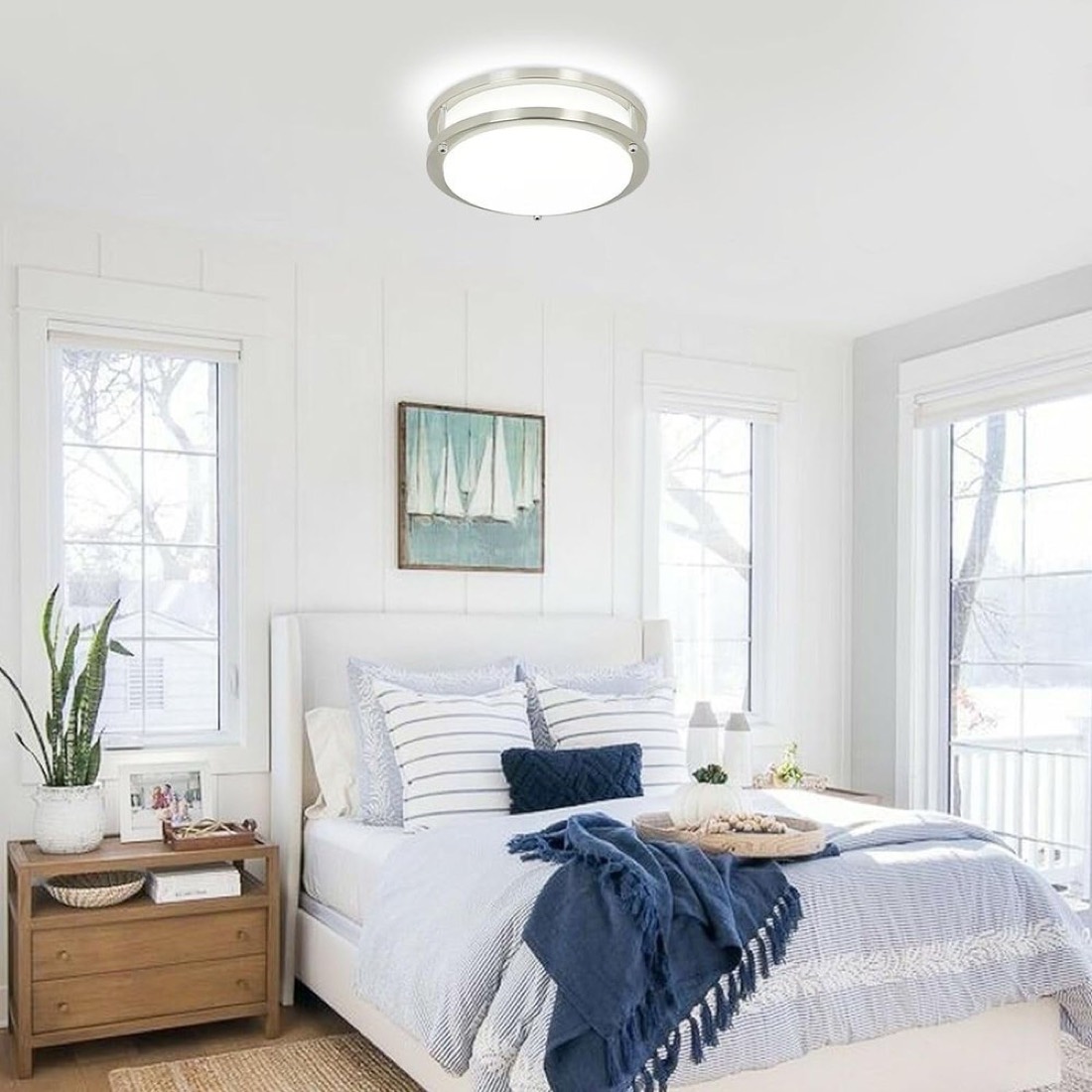
Her preferred approach is a textured neutral coverlet, such as waffle weave or linen, paired with one removable patterned accent.
A throw or bolster can introduce personality while keeping the bed layered and warm.
When it’s time for a change, replacing that single accent refreshes the look without requiring a whole new bedding scheme.
6. Choose One Strong Architectural Detail
Takesh advises saving on complicated feature walls that combine multiple finishes, shelves, lighting, plants, and niches.
Too many elements in one place can leave a bedroom feeling busy and unresolved.
Instead, she recommends a generously scaled statement headboard in a beautiful fabric, potentially extending across the wall.
Simple picture rail or panel molding is another option.
Applied at the right height around the room, it adds architectural character and helps the bedroom feel thoughtfully designed.
The aim is to give one well-executed feature the space to stand out.
7. Invest in Proper Bedside Reading Lights
A large decorative table lamp can take up valuable nightstand space while providing light at an awkward angle for reading.
Takesh recommends a directional reading sconce or wall-mounted bedside light positioned at the right height.
It directs light where it’s needed, helps someone read without disturbing the person beside them, and frees up the bedside surface.
A decorative lamp can stay if it’s a favorite piece, but she recommends adding a proper reading light for function.
Final Thoughts
Takesh’s advice follows one consistent principle: prioritize how the bedroom feels to live in.
Comfortable bedding, functional lighting, accessible yet hidden storage, and thoughtful everyday conveniences deserve attention before decorative extras.
With a limited budget, those choices can make the room more comfortable every night and easier to enjoy every morning.